Table of Contents
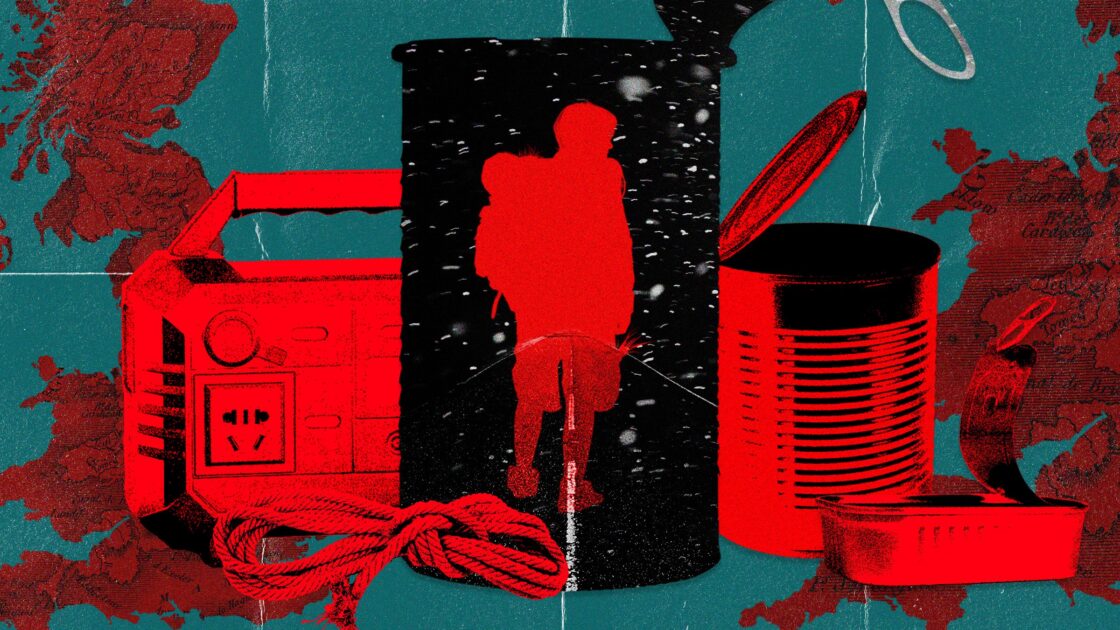
The British government has launched an initiative advising households to store three days’ worth of essential supplies, thrusting the nation’s survivalist subculture into the spotlight. As reported by WIRED, this official guidance has sparked a surge of public interest and renewed debates about household resilience.
The Mainstream Shift in Prepping
Following a severe winter in 2010 that left roads blocked and supermarket shelves empty, Brian, an engineer in central Scotland, began storing non-perishable goods. Now sharing his survival tips on YouTube as Scottishprepper73, he estimates his supplies could sustain his family for a full year. While preppers have traditionally faced skepticism or jokes, the recent launch of the government’s “Be Ready” campaign has shifted public perception. The three-year Cabinet Office campaign aims to help residents prepare for severe weather events that disrupt power, water, phone, and internet services.
According to WIRED, this announcement has significantly boosted traffic to online survival platforms. Dan Goss, who operates the Start Prepping UK website, reported that site traffic surged to around 50,000 visitors, noting that the news broke people’s normalcy bias. Similarly, Glyn Smith of the UK Survival Network observed an increase in interest from ordinary families seeking practical peace of mind.
Public Pushback and the Reality of UK Prepping
Despite growing interest, the prepping community continues to face hostility and skepticism. Brian told WIRED that he has received death threats during previous media appearances from individuals threatening to raid his home in a crisis. Other critics dismiss prepping as fearmongering or argue that essentials are too expensive, while many maintain the belief that emergencies will never happen.
British preppers generally distance themselves from the American stereotype of doomsday survivalists living in remote wilderness bunkers. Instead, UK preppers focus on realistic local disruptions, such as storms, floods, crop failures, or cyberattacks. Ana, a prepper in south Wales who creates food preservation content, noted that the COVID-19 pandemic highlighted the vulnerability of the UK supply chain, noting shortages of critical items like baby formula.
Gear, Tech, and Community Focus
While government advice suggests a three-day buffer of water and tinned food, dedicated preppers invest in advanced gear. Brian gave WIRED a virtual tour of his storage shed, which features high-capacity water filtration kits, medical supplies, freeze-dried food meant to last 25 years, and 165 gallons of fresh water. His tech setup includes solar panels, a diesel backup heater, Starlink internet, mesh networking systems, and high-frequency radio equipment.
Unlike US counterparts who often plan to escape to the wilderness, British preppers primarily plan to shelter at home due to a lack of vast open spaces. Views on community dynamics vary. Goss believes in a cooperative “Blitz spirit,” suggesting neighbors will pull together during blackouts and recommending local communication channels like WhatsApp groups. Conversely, Brian and Mike Chappell—a Greater Manchester prepper known as the UK Urban Prepper—express concern that widespread panic could lead to dangerous situations, with Chappell maintaining a backup plan to relocate to a family member’s home if necessary to protect his newborn daughter.
For most practitioners, prepping serves as both practical insurance and an engaging hobby involving workshops, gardening, and outdoor skills. Chappell emphasized that survivalists do not wish for disaster, stating to WIRED, “This is not a way of life where I sit in a bunker hoping for the sky to fall. I want nothing ever to happen. But it’s insurance, right?”