Table of Contents
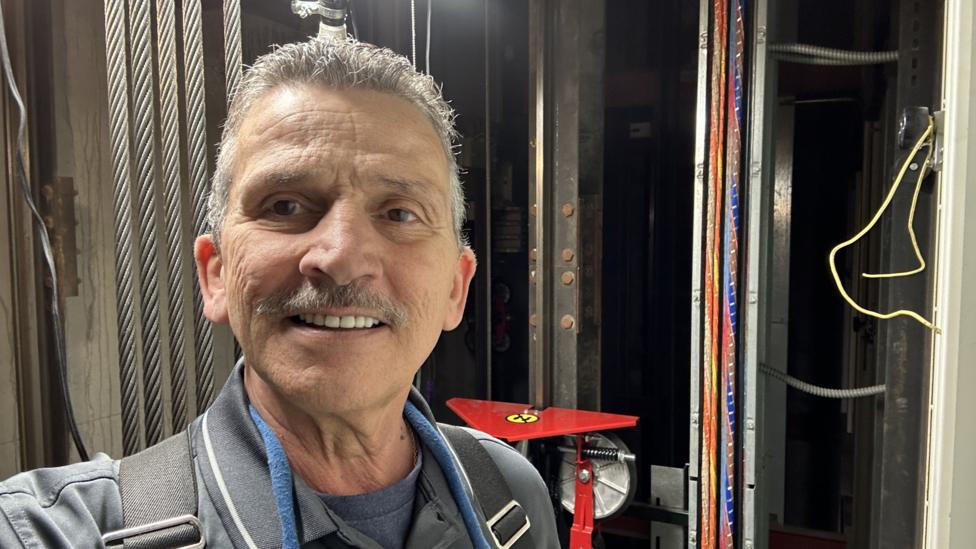
When an elevator stops working in Chicago, distressed building managers often turn to veteran field technician Jim Lembesis, who has spent over 47 years repairing and upgrading lifts. The widely reported shortage of elevator and escalator mechanics in the US, which also affects many other countries, has intensified significantly over time, leaving building residents frustrated and trapped during outages.
The Challenges and Rewards of Lift Repair
Although the average salary for a lift mechanic in the US reaches $110,000 (£83,000), recruiting new workers remains difficult. Lembesis acknowledges that the job carries physical hazards, including the risk of falling from great heights or suffering electrocution. Yet, he highlights the vast array of skills to learn and the strong camaraderie among technicians.
According to BBC News, mechanics often act like “wizards” who amaze people with their problem-solving abilities. Lembesis notes that nine times out of ten, elevator issues stem from doors, which take constant beatings from carts, dirt, and debris. Technicians must also verify safety during emergencies, such as when Lembesis spent 15 hours ensuring lifts remained safe while firefighters tackled a burning building.
Training Hurdles and Industry Demands
Matt Hollinshead, president of the US National Association for Elevator Contractors, told BBC News that finding good technicians is becoming harder due to rigorous four-year apprenticeships and state-required licensing. Furthermore, mechanics must maintain a vast array of equipment, including century-old lifts that demand growing technological knowledge. Hollinshead explained that long repair delays are usually caused by unavailable parts—such as hydraulic cylinders that take six to 12 weeks to manufacture—rather than staff shortages, though a lack of technicians delays initial diagnostics.
Matt Allred, a recruiter and host of The Elevator Careers Podcast, told BBC News that the labor shortage is so severe that even major lift companies are reaching out to small recruiting shops for help. Allred also blamed major manufacturers for locking down maintenance contracts, which restricts third-party repairers. While two large manufacturers declined interviews with BBC News, Otis CEO stated in May that her firm struggled to hire enough staff to meet demand, and the company notes online that the mechanic shortage affects almost every part of the world. However, an Otis spokesman claimed their US talent pipeline remains healthy.
A Global Labor Crunch
The shortage is equally acute in the UK. Dave Cooper, president of the Chartered Institution of Building Services Engineers and head of an engineering consultancy, told BBC News that the situation is bad and worsening, noting that food delivery companies sometimes refuse to deliver to upper floors due to broken lifts.
Karen Slade, head of assessment at the Lift and Escalator Industry Association (Leia), told BBC News that training as a lift mechanic requires long-term commitment, noting there are currently 259 active lift and escalator apprentices in the UK. Leia emphasizes that ongoing investment in training is essential, while industry figures suggest solutions like better tax breaks for training companies or teaching trade basics in high schools could attract more workers.
Back in Chicago, Lembesis continues to mentor younger mechanics while appreciating the gratitude he receives from customers when a lift is finally restored.