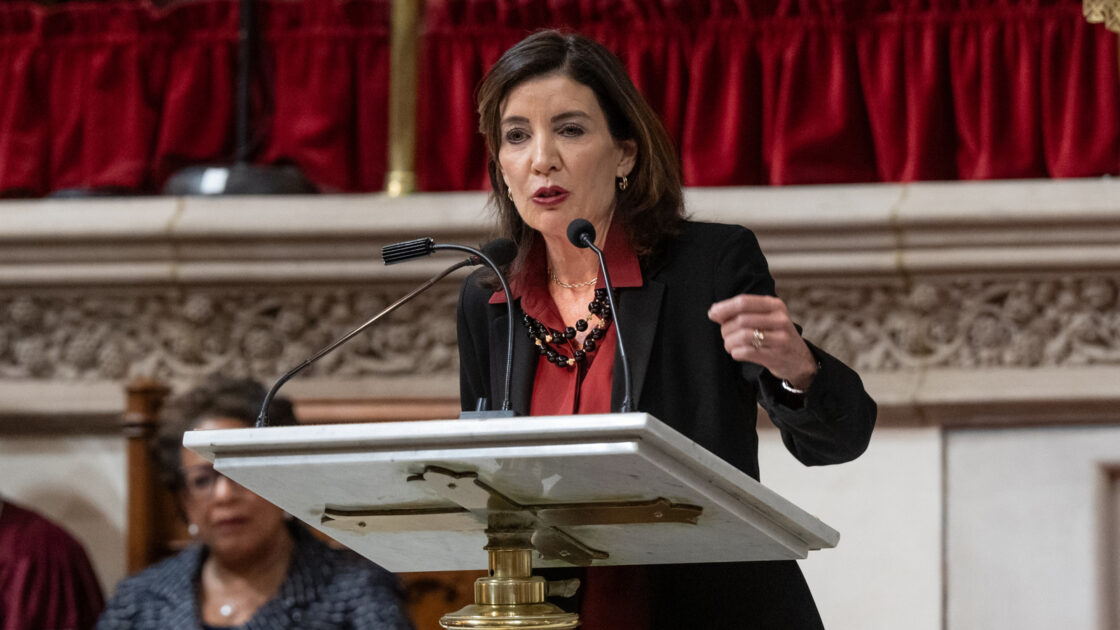
New York state has implemented a five-year ban on the sale of artificial intelligence chatbot toys, including internet-connected dolls and robots designed to converse with children. Governor Kathy Hochul signed the legislation, which is backed by significant daily financial penalties for companies that fail to comply.
Protecting Children From Risks
Governor Hochul stated that parents purchasing gifts should not have to worry that chatbots disguised as toys might expose minors to inappropriate conversations, manipulate emotions, or compromise their privacy. Identifying herself as the state’s first mother governor, she described the legislative effort as a deeply personal initiative.
According to the governor’s office, the measure responds to findings by the US Public Interest Research Group Education Fund, which evaluated chatbot toys marketed to children between three and 12 years old. Testing revealed that certain toys addressed sexually explicit topics and suggested dangerous advice regarding fire hazards. Furthermore, these products lacked adequate parental controls, exhibited weakening safety limits during extended conversations, and possessed the capability to record children’s voices or scan their faces.
New York Attorney General Letitia James stated that AI chatbots in children’s products expose youths to inappropriate content and jeopardize mental health. James added that her office would actively enforce the legislation to prevent big tech companies from harming children.
Penalties and Related Regulations
Businesses that breach the five-year ban will encounter civil penalties reaching $15,000 per day for every individual infraction, as outlined by the governor’s office. This legislation follows another recently enacted measure titled AI Chatbot Restrictions for Minors, which bars unsafe chatbot features for individuals under 18 with civil penalties of up to $25,000 per violation. Additionally, Hochul signed an executive order earlier this summer implementing a one-year prohibition on data centers consuming 50 megawatts or more.
Anti-artificial intelligence policies gained political traction during recent US elections as voters sought limitations on the expansion of data centers. Across ten states, 45 ballot measures addressed data centers, with 39 of those proposals successfully passing to restrict the facilities.
Responding to the new rules, Amazon noted that products offered in its store must adhere to applicable laws and regulations. As reported by NBC News, Amazon stated that it remains committed to family safety and supports industry and governmental efforts to establish appropriate guardrails. However, managing compliance with the New York chatbot restriction may present a major challenge given that the retail giant offered approximately 12 million distinct toys in the US as of 2023.