Table of Contents
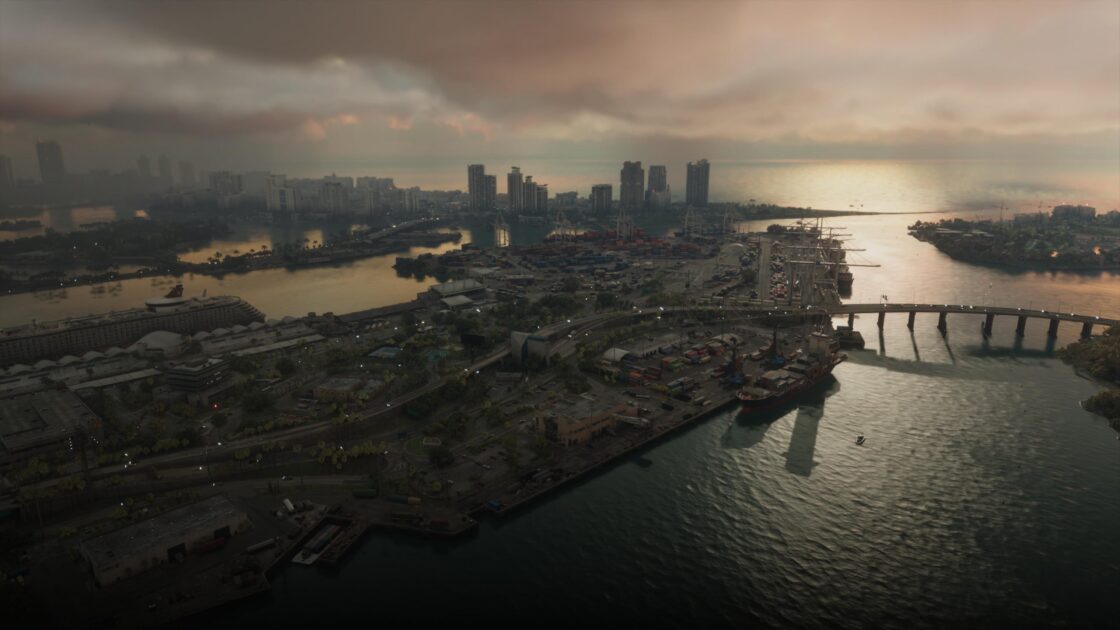
Grand Theft Auto VI is immensely popular due to years of anticipation, engaging characters, and deep gameplay, but its true standout feature is its sense of place. The game’s fictional rendition of Florida serves as the studio’s most lifelike setting yet, featuring functional public transit, explorable buildings, chatty residents, and vast wilderness areas. Emma Fraser, an assistant professor at UC Berkeley who studies urban ruins and virtual cities, told The Verge that this realism creates a uniquely disorienting sensation while playing.
The Academic Fascination with Virtual Cities
Fraser studies topics such as urban geography and virtual worlds, having authored papers on digital mapping and urban decay. She told The Verge that she began researching video game cities because they remain largely underexplored in academia despite their massive reach. As a geographer interested in how people build, navigate, map, and imagine cities, she noted that video games encompass all these elements yet are rarely taken seriously as an academic interest.
Fraser had anticipated GTA VI for years, partly because of Rockstar’s on-the-ground research approach. Before development commenced, studio developers traveled to Florida to secure an accurate depiction. GTA VI producer Rob Nelson told The Verge that the setting served as the starting point for the game rather than the story or characters. Nelson explained to The Verge that the team went around to feel out the Everglades, the Keys, and the city to determine which aspects to incorporate.
Implied Expansiveness and Real-World Familiarity
Unlike many successful open-world games set in fantastical spaces, the GTA series relies on settings that mirror the real world. Fraser told The Verge that this foundation contributes to the universal appeal because players already know how to function in a city with law enforcement, blocks, pedestrians, and vehicles, which deepens immersion.
Fraser described the game world as having implied expansiveness, lacking a one-to-one recreation while still getting recognizable details right, such as lighting, coastlines, and major roads. She explained to The Verge that people cannot hold an entire city in their minds simultaneously, relying instead on snapshots. This expansiveness is further enhanced through dialogue, radio programs, and television shows that reference a larger world beyond playable areas.
Virtual Tourism and Changing Player Habits
This high level of verisimilitude enables a virtual tourism experience where players can travel via various perspectives, from walking to flying. Fraser told The Verge that this variety fosters diverse playstyles, comparing some players to tourists spending heavily on taxis and others to commuters preferring public transit. Furthermore, the relationship-focused premise encourages less violent gameplay, with players driving more carefully and considering character motivations differently than in earlier titles where protagonists functioned as empty criminal vessels.
As millions of players explore Vice City, Fraser plans to research how real and virtual worlds intersect regarding urban navigation. She noted to The Verge that the fully furnished world allows players to import real-world practices into the game, whether driving recklessly or riding a train while listening to a podcast. Ultimately, she emphasized to The Verge that avoiding generic city generation is what separates this universe from contemporaries and delivers a true sense of place.