Table of Contents
Morocco’s rising influence in African football is generating mixed reactions as the nation secures major tournament hosting rights, strong representation in continental awards, and unprecedented international success. While many point to years of strategic planning and financial investment as the foundation of its success, critics question whether this concentration of influence creates an imbalance within African football.
Building Expertise and Infrastructure
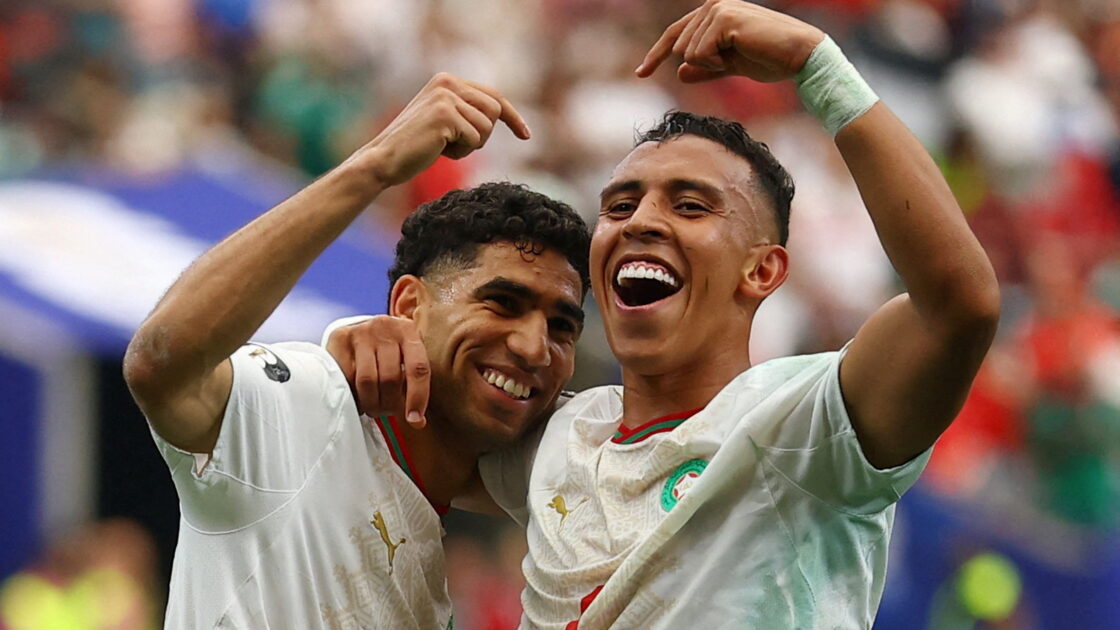
Morocco is preparing to host FIFA’s 77th Congress in Rabat on March 18, 2027, and recently hosted the last two editions of the Confederation of African Football (CAF) Awards. Its national team reached the semifinals of the 2022 FIFA World Cup and the country is currently preparing to cohost the 2030 World Cup. Three Moroccan players—Achraf Hakimi, Brahim Diaz, and Ismael Saibari—appear on the 10-person shortlist for the 2026 men’s CAF Player of the Year award.
Kamilla Swart, associate professor and Director of the Master of Science in Sport and Entertainment Management programme at Hamad Bin Khalifa University in Doha, told Al Jazeera that the country’s current standing results from long-term development. She cited the Mohammed VI Football Academy inaugurated in 2010 as a key milestone. Swart noted that earlier unsuccessful World Cup bids allowed the nation to evaluate its weaknesses and build the necessary infrastructure to compete for major events.
However, Swart also stated that Morocco’s frequent hosting of CAF events has prompted questions about whether other African countries receive sufficient opportunities. She noted that while the concentration of events in Morocco is understandable, it creates skepticism and mixed feelings regarding whether the wider continent benefits.
Governance and Preferential Treatment Concerns
Concerns over preferential treatment intensified following the controversial 2025 Africa Cup of Nations final between Senegal and Morocco. Senegal initially won the match 1-0 after extra time, but a late penalty awarded to Morocco prompted Senegal’s players to temporarily leave the pitch in protest. On March 17, 2026, CAF’s Appeal Board overturned an earlier disciplinary ruling, declared Senegal to have forfeited the final under Articles 82 and 84 of the Africa Cup of Nations regulations, and awarded Morocco a 3-0 victory. Subsequently, the Court of Arbitration for Sport ruled in favor of an appeal by Senegal and reinstated them as champions.
Speaking before that ruling, Kenyan sport lawyer and arbitrator Khayran Noor told Al Jazeera that observers must distinguish between Morocco’s genuine infrastructural progress and CAF’s responsibility to maintain transparent decision-making processes. Noor advocated for published evaluation criteria, independent technical assessments, disclosure of potential conflicts of interest, and clear explanations for final decisions.
Gerard Akindes, a sports management scholar and international consultant, told Al Jazeera that Morocco’s hosting profile also serves a commercial purpose. He explained that CAF relies heavily on broadcasting and sponsorship revenues from AFCON to sustain the organization, and Morocco stepped in to host events when other nations were unwilling or unable to do so.
Reactions to Awards Shortlists and Development Models
The 2026 CAF Awards ceremony returns to Lagos on December 2, marking Nigeria’s first time hosting the event since 2014. The exclusion of Nigerian players such as Victor Osimhen, Ademola Lookman, and Calvin Bassey from the men’s Player of the Year shortlist drew criticism, contrasted with Morocco’s three nominees.
Adeniyi Adebanjo, a CAF-accredited journalist and Brila Media contributor, dismissed suggestions that the rescheduling of the awards ceremony was linked to the Senegal-Morocco dispute or intended to influence voting. Describing the idea as a conspiracy theory, he suggested the reaction should be viewed alongside player performances and wider dissatisfaction following the 2025 AFCON final controversy.
Victor Damilola Ademola, a Nigerian exercise physiologist and University of Lagos lecturer, stated that Morocco’s success stems from systematic player development across all age groups and the successful integration of eligible diaspora players. He noted that the country invested heavily in training facilities, stadiums, and sports science infrastructure like the Mohammed VI Football Complex in Rabat. Ademola argued that Morocco’s progress should encourage other African nations to examine their own administration, infrastructure, and player development rather than automatically attributing every achievement to preferential treatment from CAF.