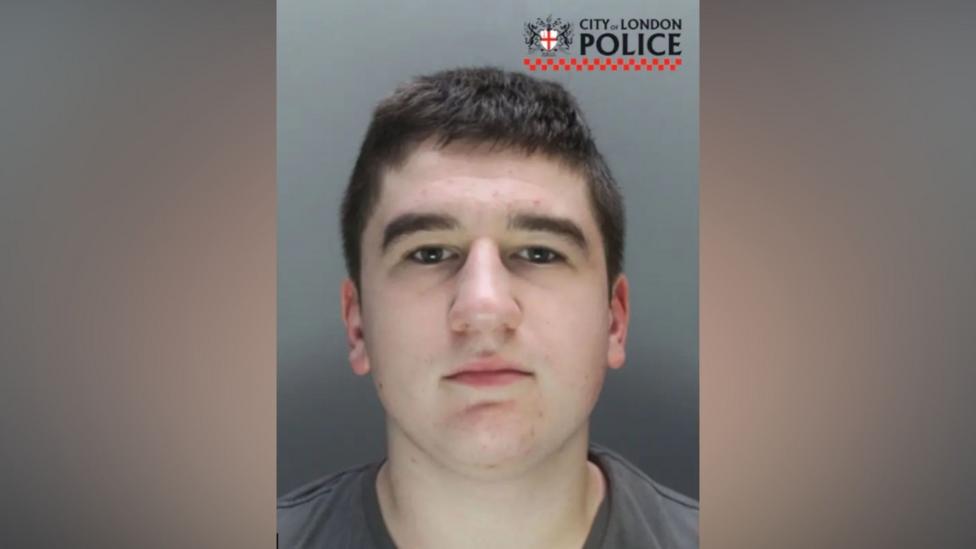
Cyber criminal Arion Kurtaj, who hacked Grand Theft Auto developer Rockstar Games alongside several other major companies, has been released on licence on the same day he was sentenced to seven years in prison. The 21-year-old from Oxford appeared at Woolwich Crown Court, where the judge credited his time spent in prison remand and a secure hospital before releasing him into the community.
Infiltration of Rockstar Games
According to details presented in court, Kurtaj carried out the high-profile breach of Rockstar Games in 2022 while staying under police protection at a Travelodge hotel in Bicester. He had been placed there following threats from rival hackers targeting his stolen cryptocurrency funds. Despite having his computer confiscated by authorities, he managed to execute the hack using an Amazon Fire Stick plugged into his hotel room television, combined with a Bluetooth keyboard and mouse.
During the intrusion, Kurtaj stole sensitive internal company data and 90 video clips containing nearly an hour of gameplay from the then-unreleased Grand Theft Auto 6. He subsequently gained access to Rockstar’s internal Slack messaging network to demand contact, writing: “If Rockstar does not contact me on Telegram within 24 hours I will start releasing the source code.” When the studio refused to comply, he published the clips and source code on an online forum under the handle TeaPotUberHacker.
Rockstar Games stated that responding to the breach cost the studio $5 million (£3.8 million) in recovery expenses alongside thousands of hours of staff time. The leak also revealed that one of the game’s lead playable characters was female, exposing a detail the company had intentionally kept secret for marketing plans.
Wider Cyberattacks and Online Restrictions
The attack on Rockstar was part of a broader series of cyber incidents executed by Kurtaj and the hacking group Lapsus$ when he was 16 and 17 years old. The group targeted several prominent organizations, including Revolut, Uber, and BT/EE, utilizing social engineering tactics to trick employees into giving up sensitive access information. During his attack on Uber, Kurtaj posted an explicit image on internal systems as part of an extortion attempt. In total, the group’s attacks caused an estimated £10 million in corporate damages and stole at least $300,000 (£230,000) from individual cryptocurrency investors.
Kurtaj was initially given an indefinite sentence in a secure hospital due to the severity of his autism spectrum disorder, but was later reassessed as fit to stand trial and transferred to a standard prison in January. In court, he admitted guilt to the hacking charges as well as physical assaults on staff members while in custody, which involved multiple biting incidents. While detained, he was also caught in possession of an unauthorized mobile phone after sending a taunting text message to police and posting updates on Snapchat.
His legal defence team explained that his autism led to repetitive behavioral patterns and a reliance on the online world, where he felt better able to function, particularly during the isolation of the COVID-19 pandemic. Presiding Judge Mr Justice Turner told Kurtaj “you are a very talented young man,” while delivering a stern warning: “Don’t let this happen again.” Under a five-year Serious Crime Prevention Order, Kurtaj faces strict limitations on his internet usage, including explicit bans from using Discord and Telegram. City of London Police remarked that the case “highlights the dangers that young people can end up being drawn to online.”