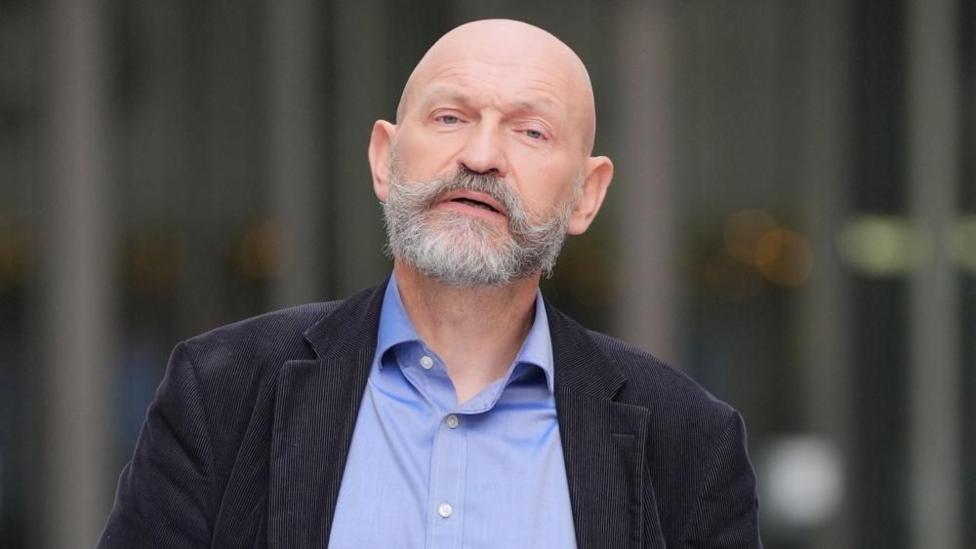
The chief executive of Centrica, the parent company of British Gas, has stated he is extremely worried about how consumers will cope with a projected surge in energy bills starting in January.
Rising Bills and Price Cap Predictions
Chris O’Shea told the BBC that unpaid energy bills are likely to increase as prices climb in the new year. The upcoming energy price cap, scheduled for announcement on Wednesday, is predicted by consultancy Cornwall Insight to rise by £443 annually for a standard household. O’Shea noted to the Sunday with Laura Kuenssberg programme that forecasts pointing to a substantial jump in January are materially correct, coinciding with the period of peak energy consumption. He highlighted that this hits right when people are paying off Christmas expenses, causing him significant concern.
Cornwall Insight estimates that Ofgem’s price cap will increase by 26% to £2,166 per year for a typical household beginning 1 January. This price cap impacts approximately 20 million households across England, Scotland, and Wales, establishing a maximum rate per unit of gas and electricity so that actual costs depend on individual usage. Wholesale energy costs for suppliers have increased this year due to the conflict in the Middle East, subsequently raising household expenses.
Unpaid Bills and Consumer Impact
O’Shea pointed out a massive UK issue regarding unpaid bills, noting that some individuals cannot afford them while an increasing number choose not to pay. According to Ofgem figures, household debt owed to energy suppliers reached £5bn between April and June. O’Shea explained that every electricity consumer currently pays about £1.50 to £1.60 weekly to cover unpaid bills, a cost that will worsen when overall prices increase.
In response to the financial pressure, the government announced a £100 payment for certain households in the Budget and temporarily cut 5% VAT from electricity bills until the end of June next year, a measure expected to save a typical household about £45 annually. However, Citizens Advice criticized the £100 payment as a drop in the ocean, warning of cold-related deaths this winter and stating it will not touch the sides for anyone in deep debt. The Fuel Poverty Action Group also urged stronger government and Ofgem action against what it termed blatant profiteering, arguing that inflated energy prices are driven by inflated firm profits.
Energy companies operating in the UK face a windfall tax introduced in 2022. Combined with other levies, this brings the total tax rate on profits for oil and gas companies operating in the UK to 78%.