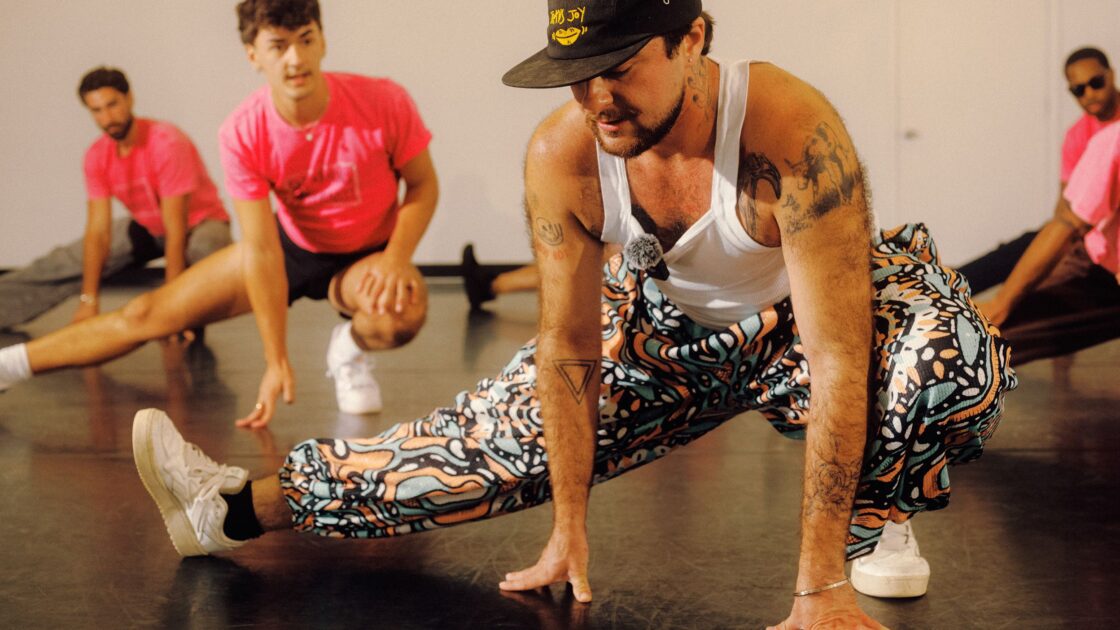
On a hot July morning in a suburban Denver playground, two male influencers tussled in the dirt while others watched in a circle. The demonstration was part of a weeklong retreat hosted by Hey Brother House, a content incubator aimed at teaching male social media creators to embody healthy masculinity and emotional intelligence.
Inside the Hey Brother House
The project was founded by Johnny Cole, a 28-year-old content creator, alongside Jonathan Jacobs, a digital marketing agency owner, and filmmaker Matthew Echelman. Funded by a grant of more than $180,000 from the Young Men and Media Collective, the house sought to flood the social media feeds of 18-to-25-year-old men with positive alternative content. The rented stucco home featured typical amenities like a Nintendo Switch and gym equipment, but also enforced a strict alcohol ban, provided remote-controlled bidets, and included a designated testimonial room called the “Man Box” for recording daily reflections.
As reported by WIRED, Cole explained that young men have been struggling for a long time, facing lower high school completion and college enrollment rates, dropping out of the job market, and experiencing higher rates of loneliness, isolation, and suicide. The rise of the online “manosphere”—popularized by figures like Jordan Peterson and Andrew Tate—has weaponized these insecurities by offering traditional masculinity and self-empowerment as solutions. During the 2024 election, an estimated 67 percent of white male zoomers voted for Donald Trump, highlighting the political influence of these online spaces.
To counter this, the Hey Brother House brought together eight selected creators—ranging from leftist commentators to lifestyle influencers and trans artist Mars Wright—to learn how to package progressive values into dynamic, manosphere-style content. Instead of lecturing audiences about the patriarchy, the creators were taught to use slick editing, fast-paced montages, and engaging hooks for topics like thrift-shopping outfits together or playing golf in pink.
Emotional Breakthroughs and On-Camera Conflict
Throughout the retreat, the men participated in talking circles and emotional exercises, sharing personal struggles with marriage, domestic violence, trauma, and addiction. For many of the brawnier fitness influencers, it was their first time having such intimate conversations with other men. Subsequent activities included a group trip to a thrift store where the participants selected outfits for each other to film wholesome transformation videos.
Tensions arose when Wright pitched an “ask a trans person” video series, noting that some house members had unintentionally asked inappropriate questions during his stay. While Cole expressed anxiety over potential LGBTQ viewer backlash and the emotional impact of the discussion, Wright felt hurt that leadership was concerned with optics. This conflict prompted Echelman to call a surprise “tribunal” meeting, where he accused Cole of unintentionally abusing his leadership position to shut people down.
While the meeting felt like a disjointed reality TV moment to some participants, the creators ultimately addressed their grievances graciously and without aggression. Between 65 and 70 videos were produced during the retreat, with top-performing content including a clip of Wright injecting testosterone to cheers from the group, and a simple five-second looping Instagram Reel of Cole and Kennedy locked in an extended embrace that garnered 500,000 views from young male viewers.
Reflecting on the experience, Cole emphasized that despite the challenges in reaching their target demographic of young men, simple human connection remains essential. “I know so strongly in my soul that more men and boys just need more hugs,” Cole told WIRED. “No matter what you’ve been through, no matter who you are. You just need more hugs [and] safe touches and affirmation and encouragement.”