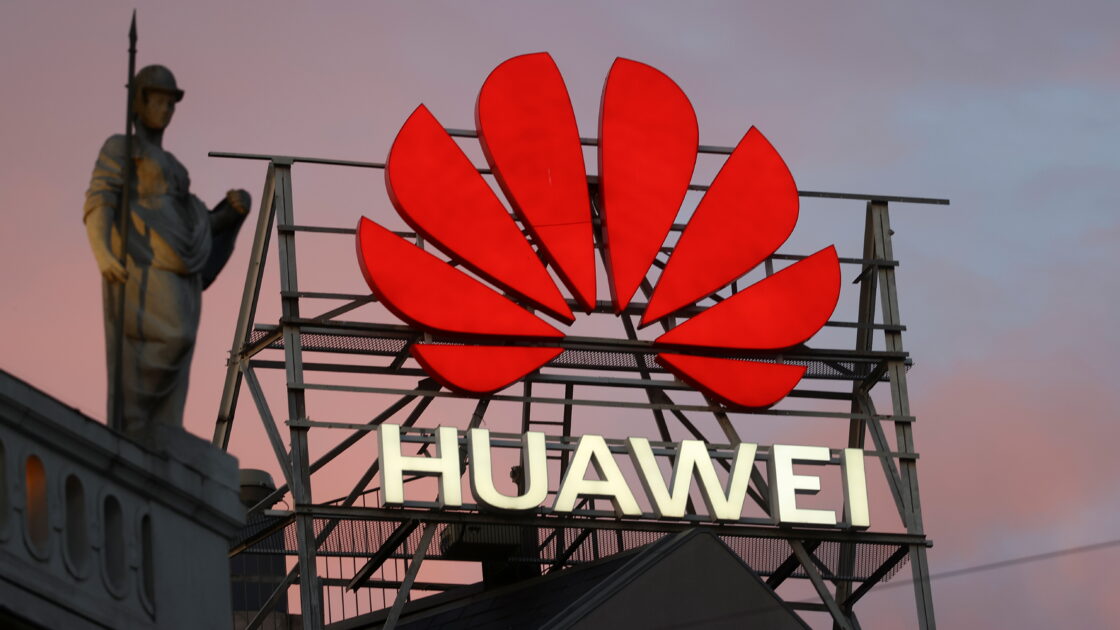
A federal jury in New York has found the Chinese technology giant Huawei and three of its subsidiaries guilty of multiple charges, including bank fraud and conspiracy to steal trade secrets from American companies. The verdict, delivered on Tuesday, follows a lengthy trial regarding the firm’s business practices.
Convictions and Legal Findings
Huawei, along with its subsidiaries Huawei Device Co Ltd, Futurewei Technologies Inc, and Huawei Device USA Inc, was convicted on 10 of 11 counts. The jury found the entities guilty of conspiracy to commit wire and bank fraud, wire fraud, bank fraud, conspiracy to steal trade secrets, money laundering conspiracy, and violations of the International Emergency Economic Powers Act (IEEPA).
The US Department of Justice alleged that Huawei engaged in a pattern of misconduct, including the theft of proprietary information regarding T-Mobile’s “Tappy” robot and the unauthorized copying of source code from Cisco routers. Prosecutors also claimed that a Huawei employee posed as an external worker to infiltrate the US firm CNEX. Additionally, the company was found guilty of making false statements to banks and officials to conceal its operations in Iran and North Korea, both of which are under US sanctions.
Assistant Attorney General A Tysen Duva of the Justice Department’s Criminal Division stated that Huawei built its global presence on “fraud, theft and deception.” He added that the company’s actions threatened the US financial system and national security while harming American competitors. While the jury convicted the company on most counts, it acquitted Huawei of the most serious charge: engaging in a criminal racketeering conspiracy.
Huawei’s legal team argued that investigators relied on isolated incidents involving a few employees to suggest a broader conspiracy. The company plans to appeal the verdict, with sentencing scheduled for September.
Geopolitical Context and Global Restrictions
The verdict arrives amid an ongoing technological rivalry between Washington and Beijing, particularly regarding advancements in artificial intelligence. The Chinese Ministry of Foreign Affairs condemned the ruling, stating that the government opposes US efforts to “contain and suppress” Chinese enterprises and will support the lawful rights of its companies.
Huawei has faced significant international scrutiny for years due to concerns regarding its proximity to Chinese authorities. The company is currently blacklisted in the United States, where it faces strict limitations on selling equipment to telecommunications carriers.
Several US allies have implemented similar restrictions:
- Australia and New Zealand: Banned the firm from 5G infrastructure in 2018.
- United Kingdom: Prohibited telecom providers from purchasing new Huawei 5G equipment after 2020, with a mandate to remove existing gear by 2027.
- Canada: Barred the company from 4G and 5G network supply in 2022.
- Germany: Major providers agreed to phase out Chinese-made equipment from 5G networks by 2029, with broader bans on Chinese network gear currently under consideration.
- Other nations: Countries including France, Italy, Sweden, Japan, India, and Taiwan have also imposed bans or significant restrictions on Huawei and other Chinese manufacturers.
The legal proceedings coincide with heightened tensions in Silicon Valley, where the US is investigating Nvidia CEO Jensen Huang over potential information leaks to China. Washington has previously restricted Nvidia from selling its most advanced semiconductors to the Chinese market.