Table of Contents
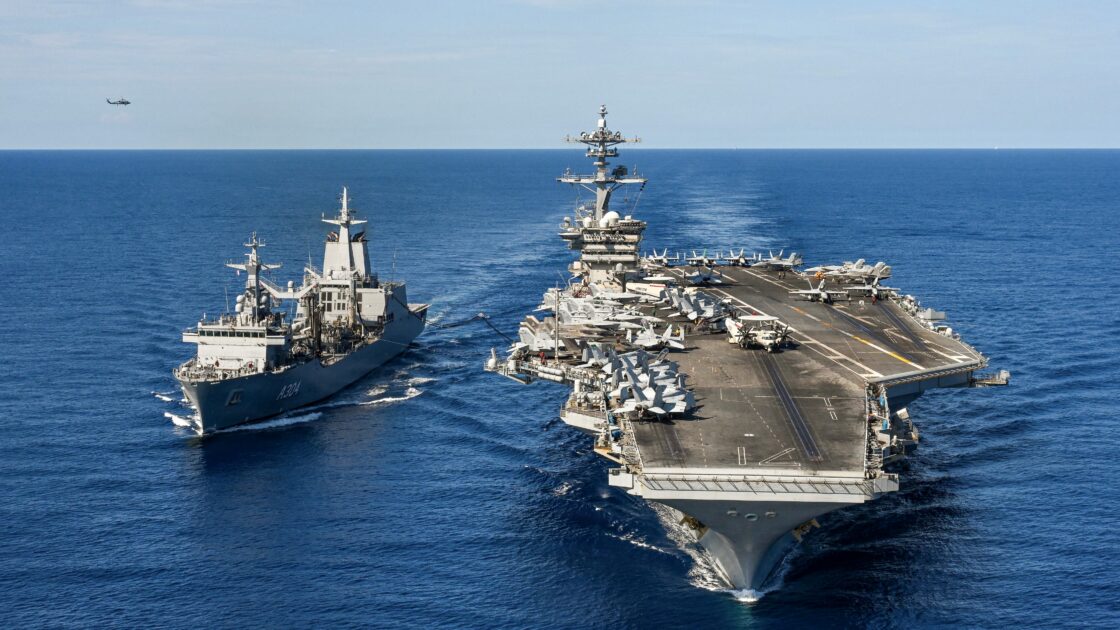
The United States military presence across the Middle East involves as many as 50,000 troops, about 19 major installations, and assets spread across nations such as Bahrain, Jordan, and Saudi Arabia. However, experts warn that the US-Israel war on Iran has exposed vulnerabilities in protecting Washington’s military assets, sparking speculation that a downsizing may follow the conflict.
Billions of Dollars in Damage
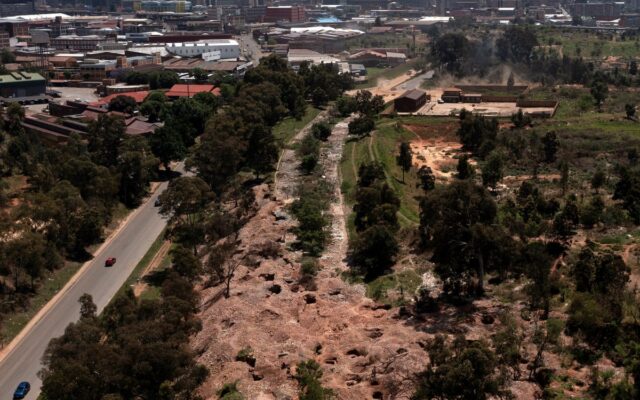
Repairing damaged infrastructure on US bases in the region could cost $9.4bn, according to the Center for Strategic and International Studies (CSIS). Hundreds of structures on US bases have suffered damage from Iranian attacks since the war began on February 28. One affected site was Naval Support Activity (NSA) Bahrain, home to the US Naval Forces Central Command and its Fifth Naval Fleet, which a Congressional Research Service report noted sustained serious damage in the early days of the conflict with repair costs estimated at more than $400m.
Other military assets have also suffered, with a Department of Defense inspector general report in September revealing the loss of dozens of aircraft, including attack helicopters and sophisticated fighter jets like the F-35A and the F-15E. Pentagon figures show the total cost of the conflict reached more than $47bn by October.
Rethinking the Need for Large Bases
Mark Cancian, a senior adviser with the Defense and Security Department at CSIS, stated that rebuilding the bases is unlikely until the war concludes. Cancian expects that once the conflict reaches a stable ceasefire, some reduction in US forces and surge forces will occur alongside base rebuilding, though not all struck military sites will be restored. He noted that facilities such as the Bahrain headquarters of the Fifth Naval Fleet and the Combined Air Operations Center at Al Udeid airbase in Qatar might be moved underground or relocated further from the Gulf to places like Israel or Jordan.
Kelly Grieco, a defence policy expert and senior fellow at the Stimson Center, explained that major bases in Bahrain and Qatar represented liabilities because they sit within the range of Iranian missiles and drones. Grieco pointed out that simply moving bases further away offers no long-term protection as Iran continues improving its ability to reach distant targets. Instead of rebuilding, she suggested cultivating access to a network of airstrips and temporary bases, noting that the US has already relied extensively on facilities like Israel’s Ben Gurion airport for refuelling combat aircraft during the war.
What the Region Wants
Reducing the US military footprint has been a stated goal across several administrations, with President Donald Trump completing troop withdrawals from Syria and Iraq during his second term, and his predecessor, Joe Biden, overseeing the 2021 pullout from Afghanistan. Yet, Cancian noted that practical realities and continuing regional tensions have kept a large-scale drawdown out of reach.
At the same time, new alliances have emerged that could make regional allies less reliant on US resources. In August, Saudi Arabia, Turkiye, and Pakistan signed the Mecca Joint Defence Agreement, a pact committing them to mutual aid if attacked. Grieco stated that the region was already engaged in strategic diversification before the war started, and the central question moving forward is whether these nations will pursue greater strategic independence or slowly decrease their security dependence on the US.
Domestic Frustrations Grow
Voter frustration inside the US could further disincentivize efforts to rebuild Middle Eastern installations, as the conflict and US support for Israel’s war on Gaza remain unpopular. An Ipsos and Reuters poll this month showed that 71 percent of Americans wanted Congress to end the war, and the conflict proved costly at the polls as Trump’s Republican Party lost key races in the 2026 midterms to Democrats opposed to the intervention.
Backlash even emerged from within Republican ranks, with Vice President JD Vance attributing his party’s poor midterm showing to the conflict on social media. Grieco observed that despite political splits over topics like support for Israel, an overall inclination exists among politicians from both parties to extricate the US military from the Middle East following decades of continuous interventions.