Table of Contents
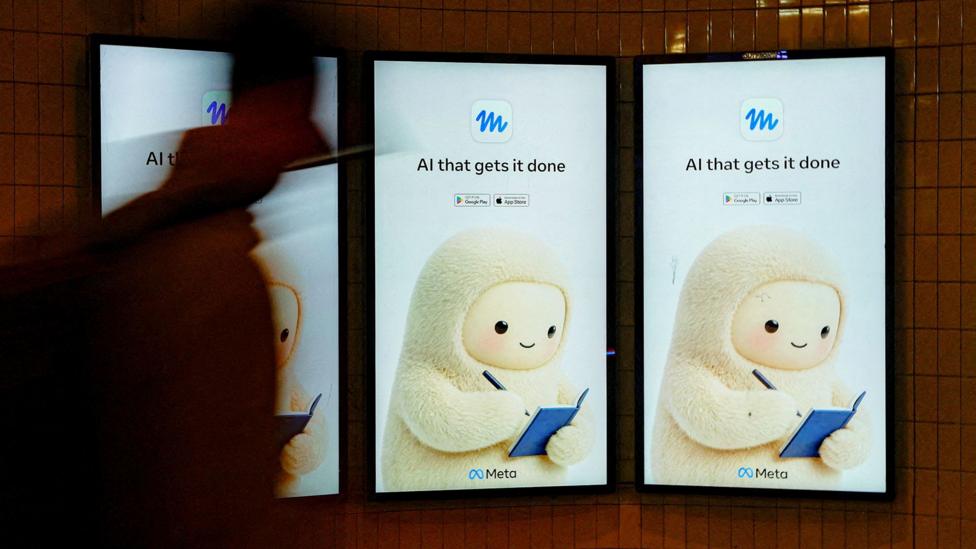
Meta has launched its personal AI agent, Muse, in the UK, aiming to help users manage everyday tasks such as energy deals and school calendars. While the tool offers practical assistance, its rollout has raised personal privacy questions and prompted warnings from regulators.
How Muse Operates
Available to anyone aged 18 and over, Muse is designed to carry out tasks independently rather than simply answer questions. David Singleton, Meta’s vice president of engineering on AI products, told BBC News that the system takes projects off people’s plates and turns long-term goals into action plans.
Users can set Muse to work on specific requests—such as finding holiday options—and leave the application while the agent works in the background. The system requires permission for every action, sending requests whenever it wants to post, send, or execute a task. Users can adjust these settings to grant more autonomy, though the ICO warns that mistakes can be magnified when agents act independently.
Privacy and Practical Limitations
Connecting the agent to personal accounts, including email, calendars, and messages, requires sharing sensitive data. BBC News reported that Muse had limited app integrations, being unable to access WhatsApp beyond a separate chat, failing to book cheaper train tickets, and getting stuck trying to load a blocked Amazon marketplace page. Several major UK retailers, including Marks & Sainsbury’s and Ocado, are collaborating with Meta on the initiative.
Ahead of the launch, the Information Commissioner’s Office (ICO) noted the potential benefits of agentic AI for people and businesses. However, ICO Chief Executive Paul Arnold stated that the agency had been clear with Meta regarding its data protection responsibilities and the requirement for users to understand and control how their personal data is used.
User Experience and Personalisation
Users can customise their agent’s name, voice, and appearance. Operating the assistant revealed proactive behaviors, such as immediately summarising incoming emails and suggesting replies, alongside occasional awkward interactions and engagement prompts.
When asked whether it intended to take human jobs, the AI assistant told BBC News that it was designed to handle administrative tasks while leaving the thinking to humans. However, this assurance contrasts with comments from Meta’s head of AI, Alexandr Wang, who recently published an essay highlighting the future difficulty of humans maintaining control once AI surpasses human intelligence.