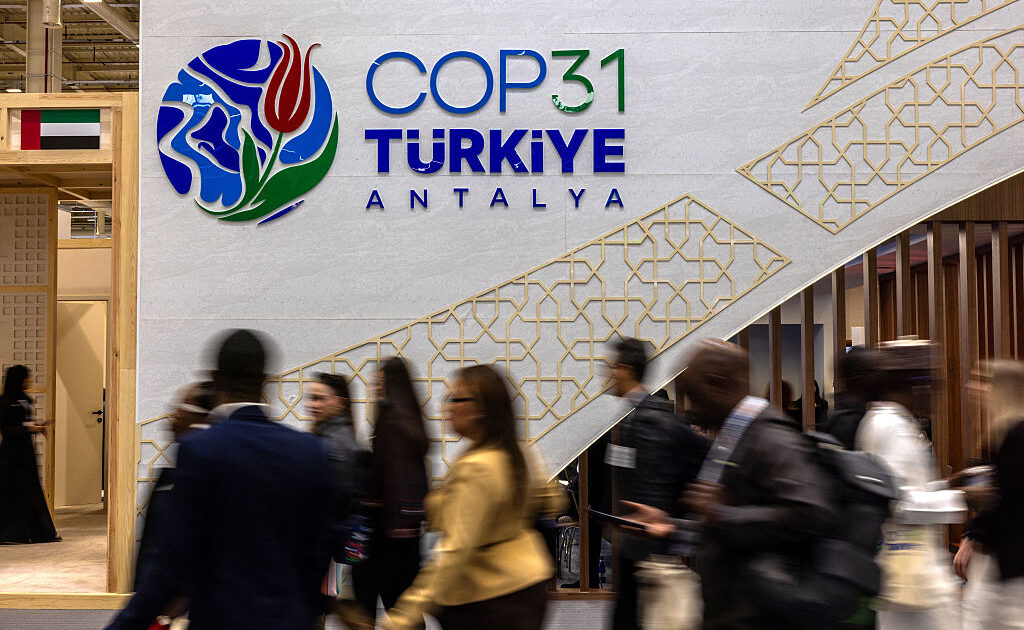
The United Nations COP31 climate talks concluded on Sunday afternoon without reaching a consensus on an overarching cover decision, marking the first time since 2009 that a conference ended without a concluding statement signaling global solidarity.
Conference Breakdown Over Fossil Fuels and Finance
As cleaning crews cleared the venue, Murat Kurum, president of the Conference of the Parties and Turkey’s minister of environment, urbanization, and climate change, attempted to unite the differing parts of a draft climate agreement. However, numerous nations rejected the proposal. The breakdown occurred due to deep divisions over whether the text should address fossil fuels and carbon capture, alongside disagreements regarding the amount of climate financing developed countries ought to supply to developing nations facing expensive climate disasters.
The European Union, alongside several Latin American nations and Pacific Island states, announced they would reject the proposed text presented by conference leaders. Despite the failure to reach a comprehensive statement, participating countries did manage to adopt a few individual decisions. These included a program designed to assist workers and communities in transitioning away from fossil fuels, as well as a framework for assessing progress on climate adaptation efforts.
Prior Climate Agreements and Goals
Annual UN climate conferences typically utilize cover decisions to introduce new measures and language that strengthen international action against global warming. A primary objective for the Antalya meeting was establishing quantifiable yet voluntary global targets for widespread economic electrification. Another key goal was boosting financial contributions from developed nations to aid developing countries in adapting to climate change impacts.
Previous summits had achieved notable milestones, including the 2022 agreement in Egypt to create a loss and damage fund supporting vulnerable countries with irreversible climate impacts. Furthermore, delegates from over 190 countries agreed at the Dubai summit a year later on the necessity of a just and orderly transition away from fossil fuels within energy systems to help slow global warming.